Learn how ACS/HRA voucher daycare helps support parents for guardians
Discover Exactly How Day Care Can Enhance Your Youngster's Early Advancement Experience
Day care plays a crucial function fit a youngster's very early development. It offers an one-of-a-kind environment where youngsters communicate with peers and caregivers, cultivating necessary social and psychological abilities. Organized tasks advertise cognitive growth, while physical play enhances electric motor skills. Recognizing these advantages can brighten the effect of day care on a kid's future. What particular benefits does this setting offer that can last a lifetime?
The Relevance of Socialization in Daycare
Socializing plays a vital duty in a youngster's growth, specifically in daycare settings. In these environments, children engage with caregivers and peers, cultivating vital social skills. Via play and team tasks, they find out to share, take turns, and solve disputes, all of which are vital for healthy and balanced social partnerships.
Daycare setups also subject youngsters to diverse social communications, enabling them to experience cultural backgrounds and different point of views. This exposure aids grow empathy and understanding, important traits for maneuvering the complexities of human relationships later on in life.
Additionally, socializing in childcare urges communication skills as kids reveal their ideas, needs, and sensations. These communications can enhance language development and boost positive self-image.
Emotional Assistance and Developmental Growth
Along with social abilities, psychological support in day care is essential for kids's developing growth. Day care settings usually offer a supporting ambience where caretakers react and recognize to children's psychological requirements. This assistance cultivates a complacency, permitting children to discover their surroundings and create healthy and balanced partnerships with peers and adults.
Kid subjected to regular psychological support are most likely to establish durability and better coping devices. They find out to reveal their feelings properly, which is important for their total psychological intelligence. Moreover, positive support from caretakers aids youngsters construct self-worth and self-confidence, urging them to take threats in their understanding experiences.
Via understanding interactions, childcare service providers can teach children just how to browse intricate emotions, promoting social-emotional advancement. By doing this, daycare not just serves as a place for care however also as a fundamental setting for nurturing psychological growth and wellness in early childhood.
Cognitive Abilities Enhancement Via Structured Tasks
While involving in structured activities, children in daycare can substantially enhance their cognitive abilities. These activities, created to boost critical reasoning and analytical, frequently consist of challenges, video games, and group tasks - childcare. Such experiences urge kids to discover concepts like forms, numbers, and letters, therefore building a solid foundation for future understanding
Structured tasks advertise language advancement via narration and conversations, enabling kids to express their concepts and ideas. This communication fosters vocabulary growth and improves understanding skills. In addition, engaging with peers during these activities urges social cognition, as children discover to navigate relationships, share ideas, and work together efficiently.
Inevitably, the mix of organized play and guided learning within daycare settings creates an enriching atmosphere that nurtures cognitive growth. By taking part in these thoughtfully created tasks, kids establish vital abilities that will certainly benefit their scholastic journey and overall intellectual development.

Physical Advancement and Electric Motor Skills Improvement
Daycare settings offer numerous opportunities for kids to improve their physical advancement and refine their electric motor abilities. Via structured activities such as climbing up, running, and dance, youngsters take part in exercises that promote gross motor abilities. These tasks help them build balance, coordination, and toughness, necessary parts of physical conditioning.
Additionally, great electric motor skills are developed via tasks like attracting, reducing, and adjusting little objects. The selection of toys and products readily available in childcare settings urges exploration and mastery, permitting kids to exercise hand-eye sychronisation and finger strength.
Social play further improves physical growth, as youngsters browse team characteristics and discover to share area while relocating various ways. This active involvement not only cultivates physical capabilities but also sustains overall health and wellness and well-being. To summarize, childcare provides a rich environment for youngsters to grow literally, preparing for a lifetime of active living.
Constructing a Solid Foundation for Lifelong Learning
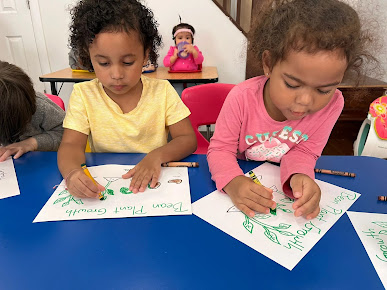
Day care programs typically incorporate structured routines that aid youngsters discover the value of discipline and time management. Exposure to diverse ideas and viewpoints in a team setup promotes versatility and strength (daycare near me). Additionally, supporting relationships with caregivers contribute to a kid's complacency, which is essential for effective discovering
Regularly Asked Inquiries
What Age Is Ideal to Beginning Daycare for My Child?
The optimal age to start day care for a child normally varies from 12 to 18 months. This age enables for self-reliance, socialization, and adaptation to new atmospheres, cultivating crucial developing skills during very early childhood.
Just how Do I Choose the Right Daycare Facility?
To select the right daycare facility, one need to take into consideration elements such as location, staff qualifications, security, curriculum, and examines from other parents. Visiting facilities and observing communications can likewise offer useful insights into the setting.
Exist Certain Certifications for Daycare Team?

Day care team commonly require appropriate qualifications, consisting of qualifications in very early childhood education tiny town childcare and learning, emergency treatment, and CPR - afterschool. Experience with child advancement and a background check are also important to assure great site a safe, caring atmosphere for children
What Are Common Childcare Hours and Timetables?
Regular childcare hours range from 7 AM to 6 PM, suiting functioning parents. Routines may include full time or part-time choices, with structured tasks throughout the day to sustain children's development and guarantee a caring environment.
How Can I Alleviate My Child's Change to Daycare?
To alleviate a kid's adjustment to childcare, parents can slowly present the atmosphere, establish a regular routine, involve in favorable conversations concerning the experience, and encourage playdates with future classmates to develop comfort and knowledge.
In addition, socialization in childcare motivates communication skills as youngsters express their sensations, demands, and ideas. In enhancement to social skills, psychological support in day care is necessary for youngsters's developmental growth. While engaging in organized activities, children in day care can substantially boost their cognitive skills. Day care settings use various opportunities for youngsters to enhance their physical growth and fine-tune their motor abilities. A strong foundation for long-lasting knowing is developed early in a kid's development, particularly within childcare settings that prioritize emotional and cognitive development.